
Single Leg RDL
Starting Posture
Stand tall with feet hip-width apart, shoulders back, and core engaged. Shift your weight onto your right foot while keeping a slight bend in the knee.
How to Exercise
Keeping your chest up, back straight, and shoulders back, slowly hinge at the hips and lower your torso towards the floor. As you hinge forward, extend your left leg straight back, keeping it in line with your torso. Allow your arms to hang naturally towards the floor to help with balance. Lower until you feel a stretch in your hamstring, then return to the starting position by squeezing your glutes and hamstrings. Repeat for the desired number of reps before switching to the other leg.
Breath Control
Inhale as you lower your torso towards the floor and exhale as you return to the starting position.
Common errors
Leaning too far forward or not far enough can compromise the movement and reduce its effectiveness. Allowing your shoulders to hunch forward can cause strain on your neck and upper back.
Weights
You can perform this exercise with dumbbells, kettlebells, or a barbell held in one hand to add resistance.
Grips
Hold the weights with an overhand grip, ensuring that your hands are in line with your hips to maintain balance.
Variations
To increase difficulty, you can perform the single-leg RDL on an unstable surface like a balance board or Bosu ball. You can also hold the weights in both hands at your sides or in a racked position for added challenge.
Generate a workout for using deadlifts
Vivamus massa eros, mollis vel pellentesque et, tincidunt ut mauris. Suspendisse vehicula, felis vulputate sodales sodales, libero purus fermentum elit, eu scelerisque nibh dolor at metus.Vivamus massa eros, mollis vel pellentesque et, tincidunt ut mauris.
Sample workouts with this movement
Fit! Programs featuring this exercise
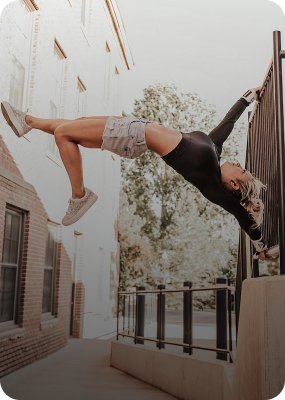
FlagFit
Kyrie Fontana
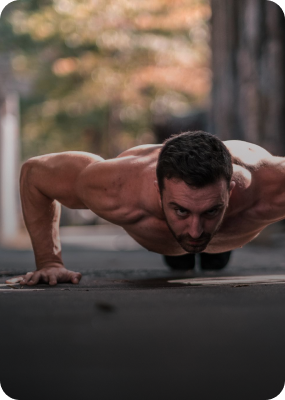
Project Calisthenics
Simon Ata
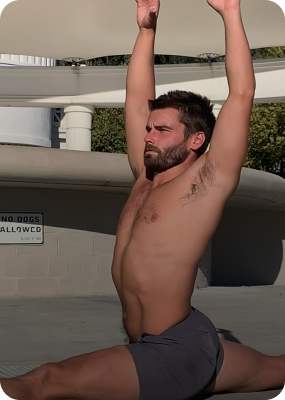
Mobility for athletes
John Lindsey
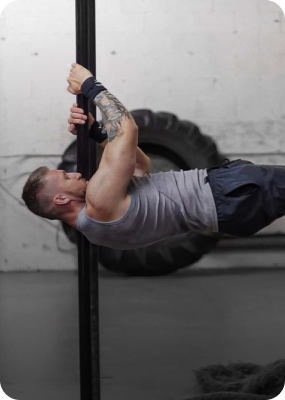
Planche Fit!
Gregoire Bellemare
FlagFit
Kyrie Fontana
Project Calisthenics
Simon Ata
Mobility for athletes
John Lindsey
Planche Fit!
Gregoire Bellemare


Comments and tips
Focus on keeping your hips level throughout the movement to prevent rotation. Start with bodyweight before progressing to using weights to avoid injury. Engage your core and glutes to help stabilize yourself during the exercise.
Cautions
Avoid rounding your back and keep your shoulders back to prevent strain. Do not lock your standing knee as you bend forward, to avoid excessive strain on the knee joint.