
Praying Mantis
Starting Posture
Begin in a standing position with your feet shoulder-width apart and your knees slightly bent. Keep your back straight and engage your core muscles.
How to Exercise
To perform the Praying Mantis exercise, bend forward at your hips while keeping your back straight. Lower your upper body towards the ground while extending your arms out in front of you. Hold this position for a few seconds, then return to the starting position by pushing through your heels and engaging your glutes.
Breath Control
Inhale as you lower your upper body towards the ground and exhale as you return to the starting position. Focus on maintaining a steady breath throughout the exercise.
Common errors
Common errors include rounding the back, using momentum to lift the body back up, and not engaging the core muscles properly. Make sure to focus on form and technique to avoid these errors.
Weights
You can gradually increase the resistance by using dumbbells or a barbell while performing the Praying Mantis exercise. Start with a light weight and gradually increase as your strength improves.
Grips
There is no specific grip required for the Praying Mantis exercise, as it primarily focuses on lower body strength and balance. However, you can choose a comfortable grip that allows you to maintain proper form throughout the movement.
Variations
To add variety to the Praying Mantis exercise, you can perform it on an unstable surface like a BOSU ball or wobble board to engage your core muscles even more. You can also try holding a weight plate or kettlebell to increase the resistance.
Generate a workout for using deadlifts
Vivamus massa eros, mollis vel pellentesque et, tincidunt ut mauris. Suspendisse vehicula, felis vulputate sodales sodales, libero purus fermentum elit, eu scelerisque nibh dolor at metus.Vivamus massa eros, mollis vel pellentesque et, tincidunt ut mauris.
Sample workouts with this movement
Fit! Programs featuring this exercise
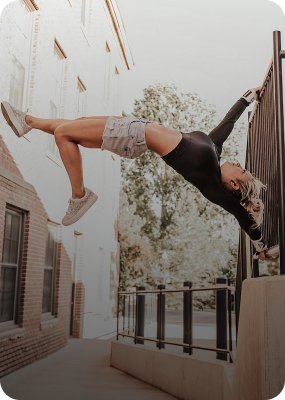
FlagFit
Kyrie Fontana
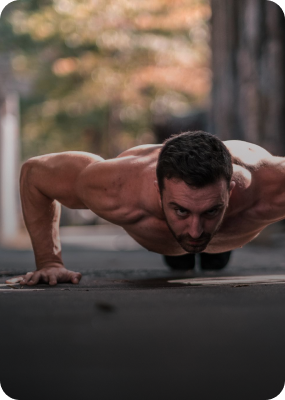
Project Calisthenics
Simon Ata
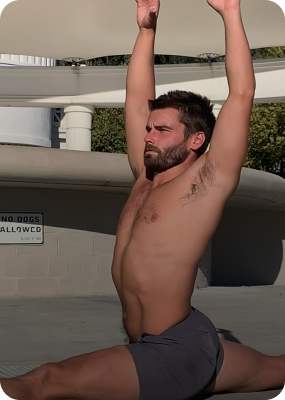
Mobility for athletes
John Lindsey
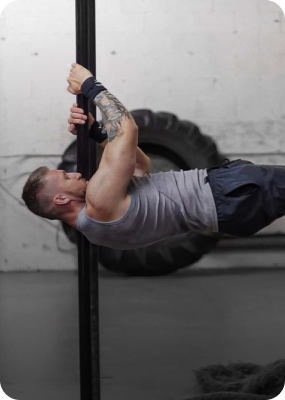
Planche Fit!
Gregoire Bellemare
FlagFit
Kyrie Fontana
Project Calisthenics
Simon Ata
Mobility for athletes
John Lindsey
Planche Fit!
Gregoire Bellemare


Comments and tips
Make sure to keep your back straight and avoid rounding your shoulders during the movement. Engage your core muscles and glutes to support your lower back. Start with a light weight or bodyweight to ensure proper form before increasing the resistance.
Cautions
Avoid jerky movements or using momentum to lift your body back up. If you experience any pain or discomfort, stop the exercise immediately. Consult with a fitness professional if you have any existing injuries or conditions that may be affected by this exercise.