
Passive Shoulders
Starting Posture
Begin by standing or sitting up straight with your shoulders relaxed and dropped down. Let your arms hang naturally by your sides.
How to Exercise
To practice passive shoulders, focus on consciously releasing the tension in your shoulder muscles. Gently roll your shoulders back and down, allowing them to settle into a relaxed position. Avoid hunching or tensing up the shoulders.
Breath Control
As you release tension in your shoulders, take slow, deep breaths to help relax your body further. Inhale deeply through your nose, filling your lungs with air. Exhale slowly through your mouth, releasing any remaining tension in your shoulders.
Common errors
A common mistake when practicing passive shoulders is tensing up the neck or upper back muscles instead of focusing on relaxing the shoulders. Remember to keep your shoulders down and away from your ears to achieve the desired effect.
Weights
Grips
Variations
Generate a workout for using deadlifts
Vivamus massa eros, mollis vel pellentesque et, tincidunt ut mauris. Suspendisse vehicula, felis vulputate sodales sodales, libero purus fermentum elit, eu scelerisque nibh dolor at metus.Vivamus massa eros, mollis vel pellentesque et, tincidunt ut mauris.
Sample workouts with this movement
Fit! Programs featuring this exercise
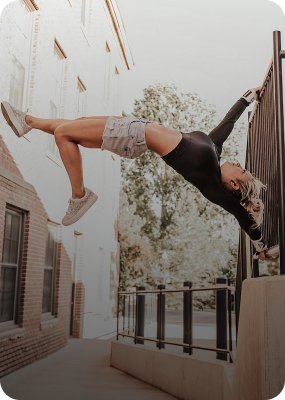
FlagFit
Kyrie Fontana
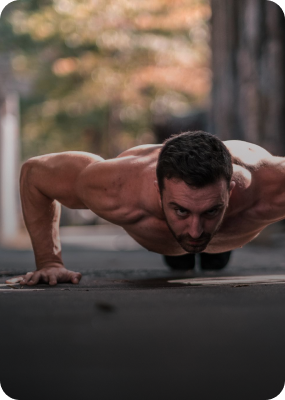
Project Calisthenics
Simon Ata
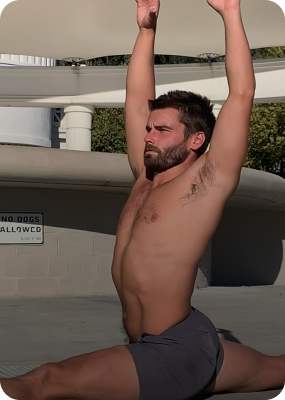
Mobility for athletes
John Lindsey
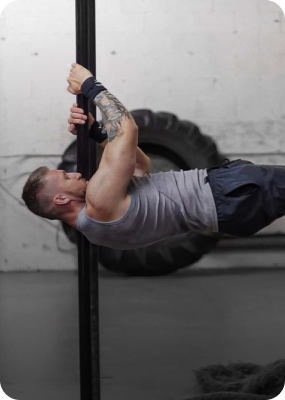
Planche Fit!
Gregoire Bellemare
FlagFit
Kyrie Fontana
Project Calisthenics
Simon Ata
Mobility for athletes
John Lindsey
Planche Fit!
Gregoire Bellemare



Comments and tips
It may be helpful to imagine a string pulling your shoulders down towards the floor, helping you to relax and elongate your neck and spine. Practice passive shoulders throughout the day to improve posture and reduce stiffness in the upper body.
Cautions
Avoid overstretching or forcing your shoulders into a position that causes discomfort. If you have any shoulder injuries or conditions, consult with a healthcare provider before practicing passive shoulders.