
Passive Hang
Starting Posture
To perform a passive hang, start by standing under a pull-up bar and grabbing the bar with both hands shoulder-width apart. Allow your body to hang freely without engaging your shoulders or arms.
How to Exercise
Simply hang from the bar for as long as you can. Focus on relaxing your shoulders and letting your body weight stretch out your arms and back. Do not try to pull yourself up or engage your muscles during this exercise.
Breath Control
Take slow, deep breaths while hanging to help you relax and stay in the position for a longer period of time.
Common errors
The most common mistake when performing a passive hang is engaging the muscles in your arms and shoulders. Remember to keep your body relaxed and allow your weight to hang freely. Avoid swinging or using momentum to keep yourself on the bar.
Weights
Grips
Variations
Generate a workout for using deadlifts
Vivamus massa eros, mollis vel pellentesque et, tincidunt ut mauris. Suspendisse vehicula, felis vulputate sodales sodales, libero purus fermentum elit, eu scelerisque nibh dolor at metus.Vivamus massa eros, mollis vel pellentesque et, tincidunt ut mauris.
Sample workouts with this movement
Fit! Programs featuring this exercise
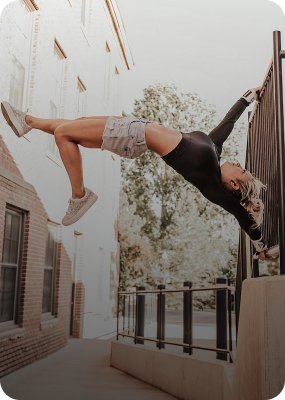
FlagFit
Kyrie Fontana
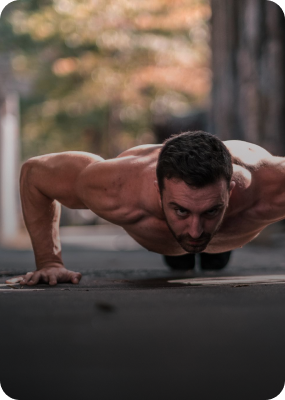
Project Calisthenics
Simon Ata
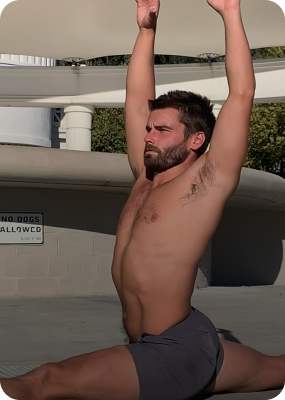
Mobility for athletes
John Lindsey
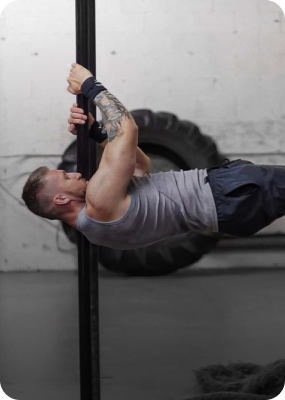
Planche Fit!
Gregoire Bellemare
FlagFit
Kyrie Fontana
Project Calisthenics
Simon Ata
Mobility for athletes
John Lindsey
Planche Fit!
Gregoire Bellemare


Comments and tips
Passive hangs are great for improving grip strength, shoulder mobility, and decompressing the spine. It's important to listen to your body and not overdo it. Start with short hangs and gradually increase the duration as your strength improves.
Cautions
Avoid hanging from the bar for too long, especially if you feel any discomfort or pain. If you have any shoulder or back injuries, consult with a healthcare professional before attempting this exercise. Always warm up your body before performing passive hangs to prevent injury.