
Dumbbell Snatch
Starting Posture
Stand with feet shoulder-width apart, holding a dumbbell in one hand with an overhand grip.
How to Exercise
Begin in a squat position, bending at the knees and hips while keeping the chest up and back flat. Explosively extend through the legs and hips while pulling the dumbbell overhead in one fluid motion. The arm should fully extend as the dumbbell reaches overhead. Lower the dumbbell back down to the starting position and repeat for the desired number of repetitions.
Breath Control
Inhale as you lower the dumbbell and exhale as you extend through the legs and hips to bring the dumbbell overhead.
Common errors
Common errors include using too much momentum to lift the weight, arching the back, and not fully extending the arm overhead. Make sure to focus on good form throughout the exercise.
Weights
Use a dumbbell of an appropriate weight for your fitness level. Start with a lighter weight to master the technique before increasing the load.
Grips
Use an overhand grip on the dumbbell to maintain control throughout the exercise.
Variations
Variations of the dumbbell snatch include using a kettlebell instead of a dumbbell, performing the snatch from the hang position, or incorporating the snatch into a full-body workout circuit.
Generate a workout for using deadlifts
Vivamus massa eros, mollis vel pellentesque et, tincidunt ut mauris. Suspendisse vehicula, felis vulputate sodales sodales, libero purus fermentum elit, eu scelerisque nibh dolor at metus.Vivamus massa eros, mollis vel pellentesque et, tincidunt ut mauris.
Sample workouts with this movement
Fit! Programs featuring this exercise
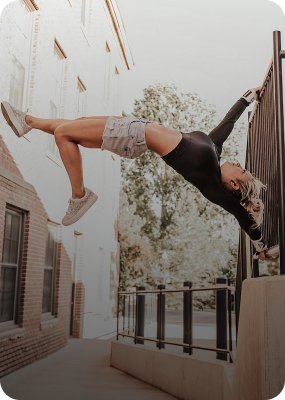
FlagFit
Kyrie Fontana
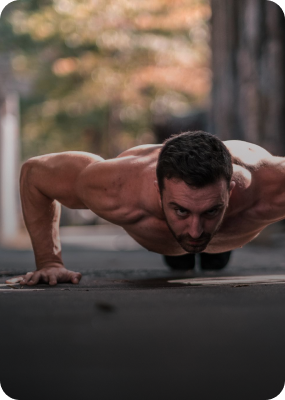
Project Calisthenics
Simon Ata
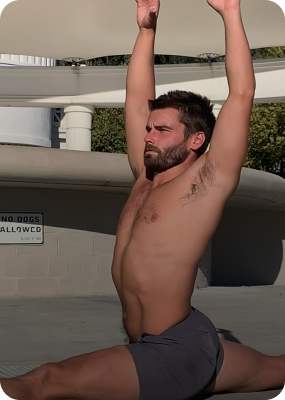
Mobility for athletes
John Lindsey
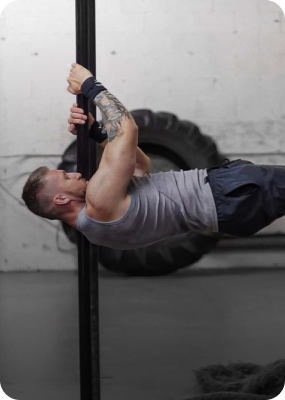
Planche Fit!
Gregoire Bellemare
FlagFit
Kyrie Fontana
Project Calisthenics
Simon Ata
Mobility for athletes
John Lindsey
Planche Fit!
Gregoire Bellemare


Comments and tips
Ensure proper form throughout the exercise to prevent injury. Keep the chest up, back flat, and core engaged. Use a controlled motion and avoid swinging the dumbbell to generate momentum. Start with a light weight to perfect the technique before increasing the load. This exercise can help improve power, coordination, and strength in the shoulders, back, and legs.
Cautions
Avoid arching the back or rounding the shoulders during the movement. If experiencing any pain or discomfort, stop the exercise immediately and consult a fitness professional. Use caution when selecting the weight to ensure you can perform the exercise with proper form.