
Alternating downard chest fly's
Starting Posture
Stand with feet shoulder-width apart, knees slightly bent. Hold a dumbbell in each hand with arms extended out to the sides at shoulder height, palms facing forward.
How to Exercise
Begin by slowly lowering one arm towards the floor in a controlled manner, keeping a slight bend in the elbow. Keep the other arm in the starting position. Pause at the bottom of the movement, then exhale and slowly return to the starting position, squeezing the chest muscles. Repeat on the other side. Alternate between each arm for the desired number of repetitions.
Breath Control
Inhale as you lower the weight, hold your breath briefly at the bottom of the movement, and exhale as you return to the starting position.
Common errors
Common errors include using too much weight, which can lead to poor form and potential injury. Another common error is not fully extending the arms at the top of the movement, which limits the effectiveness of the exercise.
Weights
Choose a weight that allows you to perform 10-15 repetitions with good form. You can increase the weight as you become stronger and more comfortable with the exercise.
Grips
You can use a neutral grip (palms facing each other) or a pronated grip (palms facing down) depending on your comfort and grip strength. Experiment with different grips to see which one feels most comfortable for you.
Variations
To increase the intensity of the exercise, you can perform the alternating downward chest fly's on an incline bench. This will engage the upper chest muscles more effectively. You can also perform the exercise with resistance bands for a different challenge.
Generate a workout for using deadlifts
Vivamus massa eros, mollis vel pellentesque et, tincidunt ut mauris. Suspendisse vehicula, felis vulputate sodales sodales, libero purus fermentum elit, eu scelerisque nibh dolor at metus.Vivamus massa eros, mollis vel pellentesque et, tincidunt ut mauris.
Sample workouts with this movement
Fit! Programs featuring this exercise
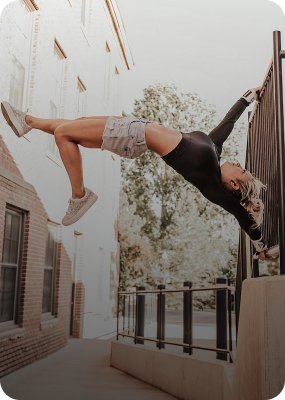
FlagFit
Kyrie Fontana
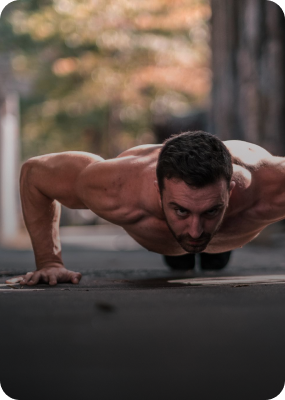
Project Calisthenics
Simon Ata
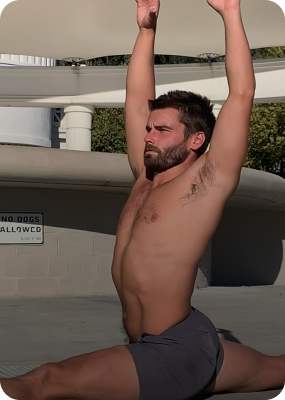
Mobility for athletes
John Lindsey
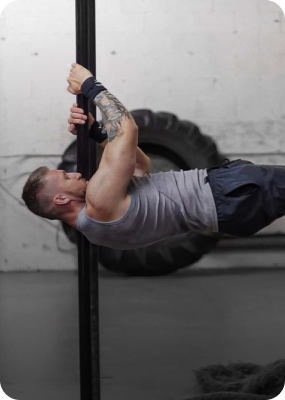
Planche Fit!
Gregoire Bellemare
FlagFit
Kyrie Fontana
Project Calisthenics
Simon Ata
Mobility for athletes
John Lindsey
Planche Fit!
Gregoire Bellemare


Comments and tips
Focus on maintaining proper form throughout the movement. Keep your core engaged and avoid arching your back. Use a weight that challenges you but allows you to perform the exercise with control. If you experience any shoulder pain, reduce the weight or consult a fitness professional.
Cautions
Avoid swinging the weights or using momentum to lift them. Keep the movement slow and controlled to maximize muscle engagement and minimize the risk of injury.